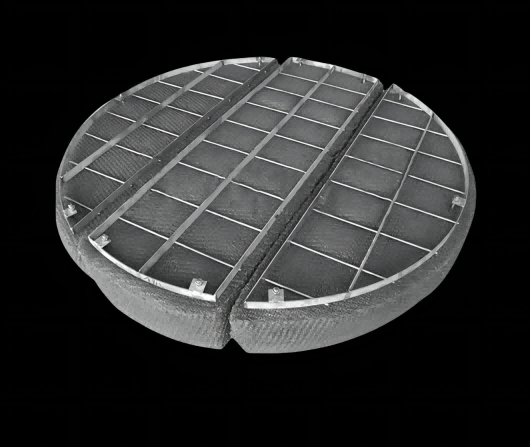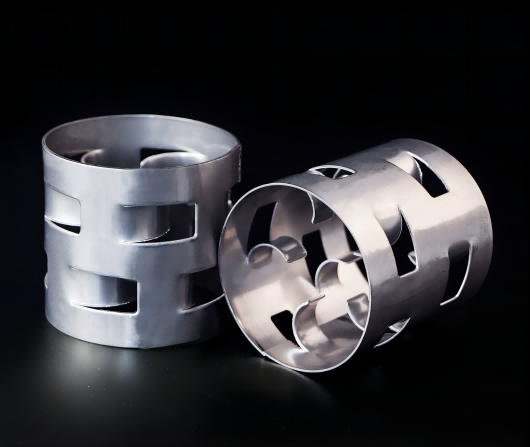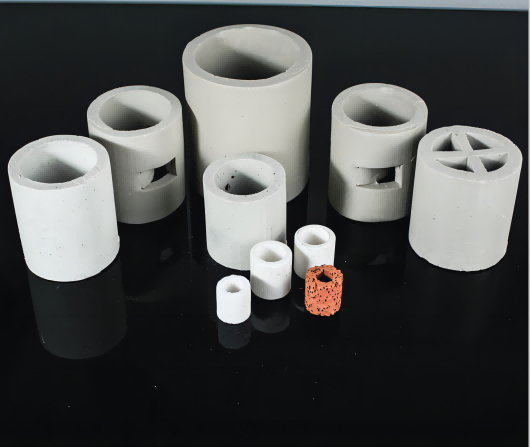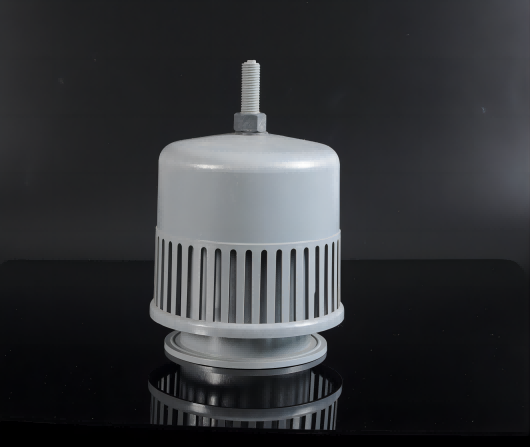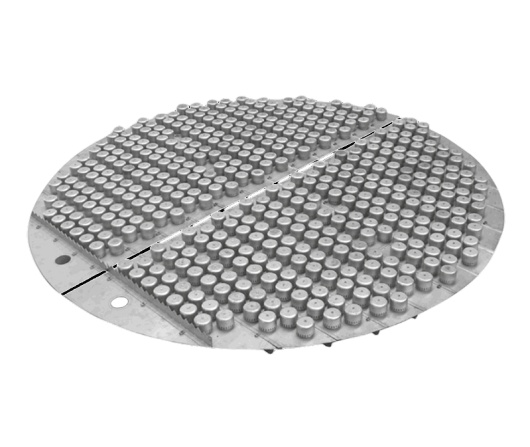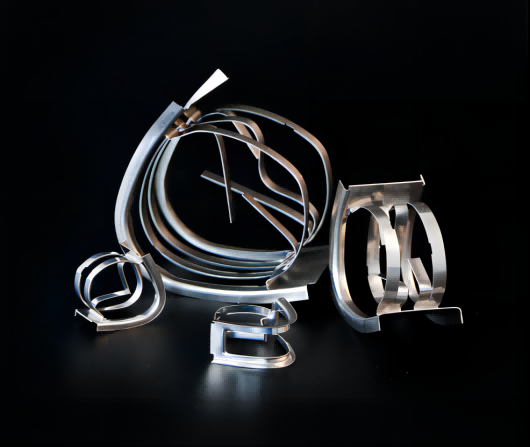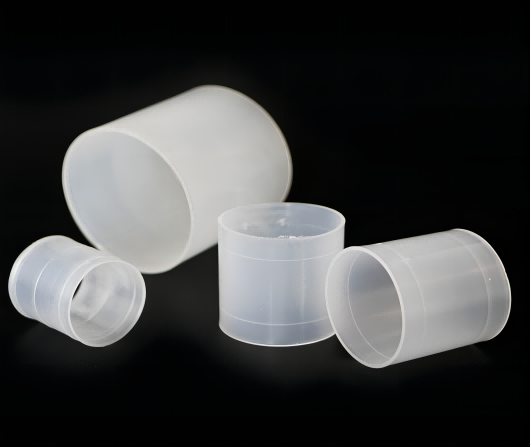

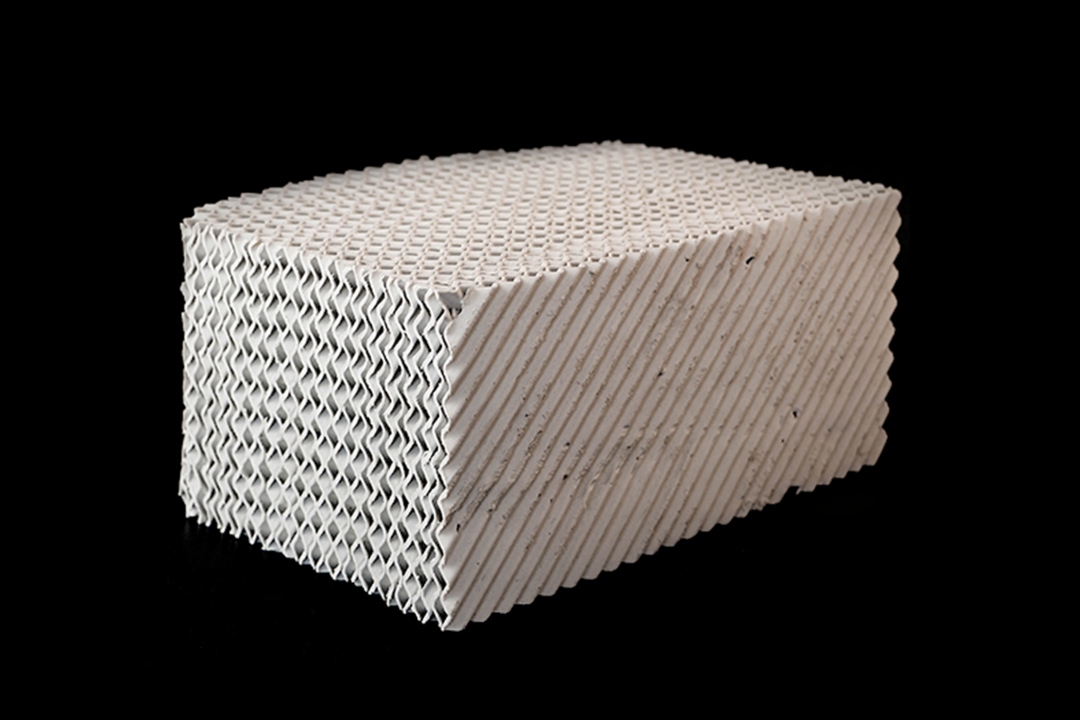
Figura 1: Embalaje estructurado de cerámica vidriada con alta resistencia a la compresión.
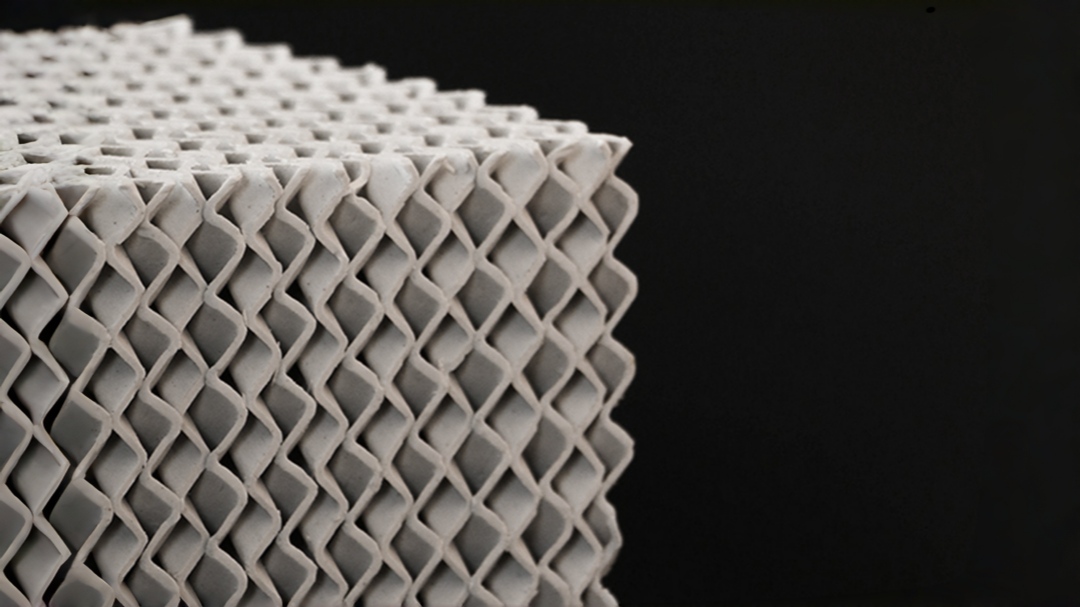
Cuando las temperaturas del proceso superan los 200 °C o se utilizan ácidos altamente concentrados (98 % H2SO4, HCl), los metales y los plásticos se deterioran. Empaquetado estructurado cerámico combina la eficiencia de la geometría moderna con la inercia química de la cerámica. Es el estándar de oro para plantas de ácido sulfúrico, depuradores cáusticos y oxidadores térmicos regenerativos de alta temperatura (RTO).
Esta guía explica cómo diseñar sistemas de empaquetamiento cerámico para evitar roturas y maximizar la eficiencia térmica.
Elegir el sustrato adecuado es fundamental para la seguridad y la durabilidad. Aquí está el enfrentamiento:
| Material | Temperatura máxima | Resistencia a los ácidos | Mejor aplicación |
|---|---|---|---|
| Cerámica (Porcelana) | 1200°C | Excelente | Torres secas de H2SO4, RTO |
| Hastelloy C276 | 600°C | Bien | Servicio de cloruro, productos farmacéuticos |
| PPH | 110°C | Justo | Exfoliación con ácido suave |
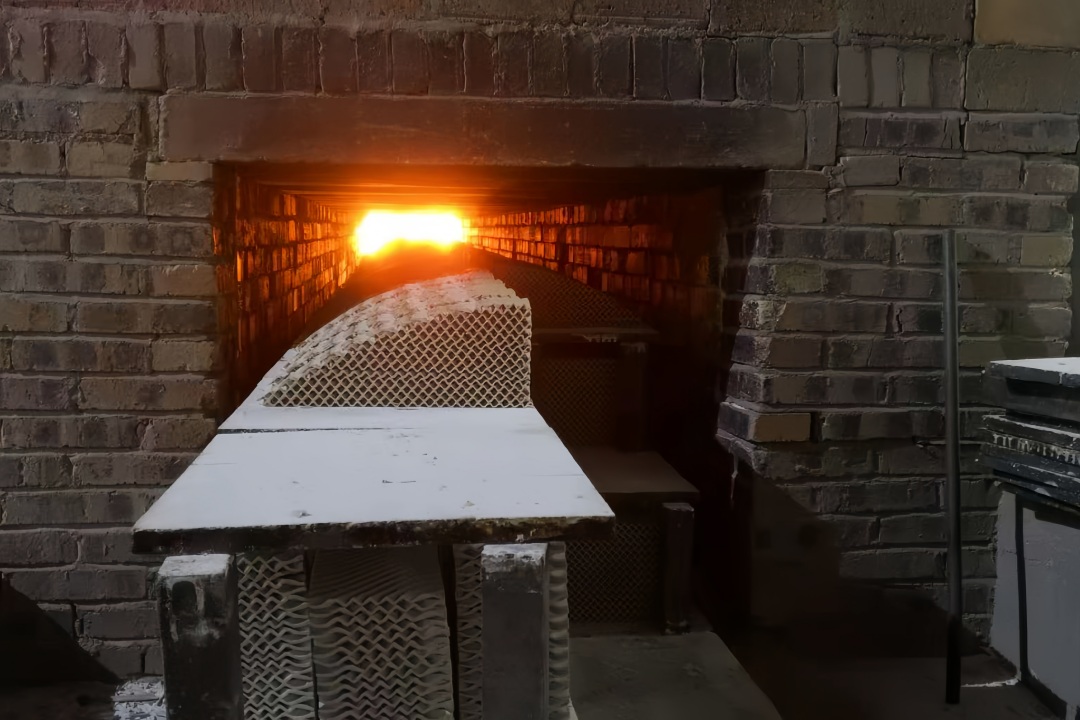
Los materiales cerámicos tienen baja conductividad térmica. El calentamiento o enfriamiento rápido (por ejemplo, el lavado con agua fría en una torre caliente) provoca una expansión desigual, lo que da lugar a grietas. Aumente siempre la temperatura lentamente (máximo 50 °C/hora). durante el arranque y el apagado.
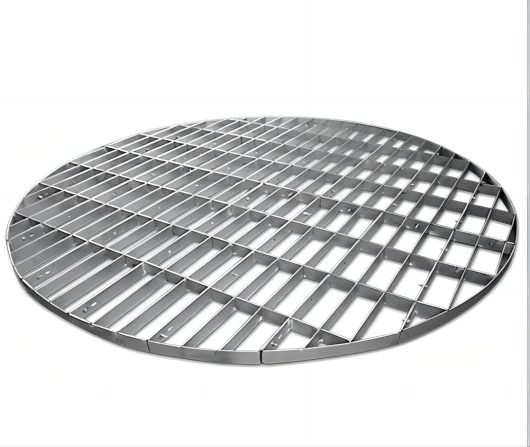
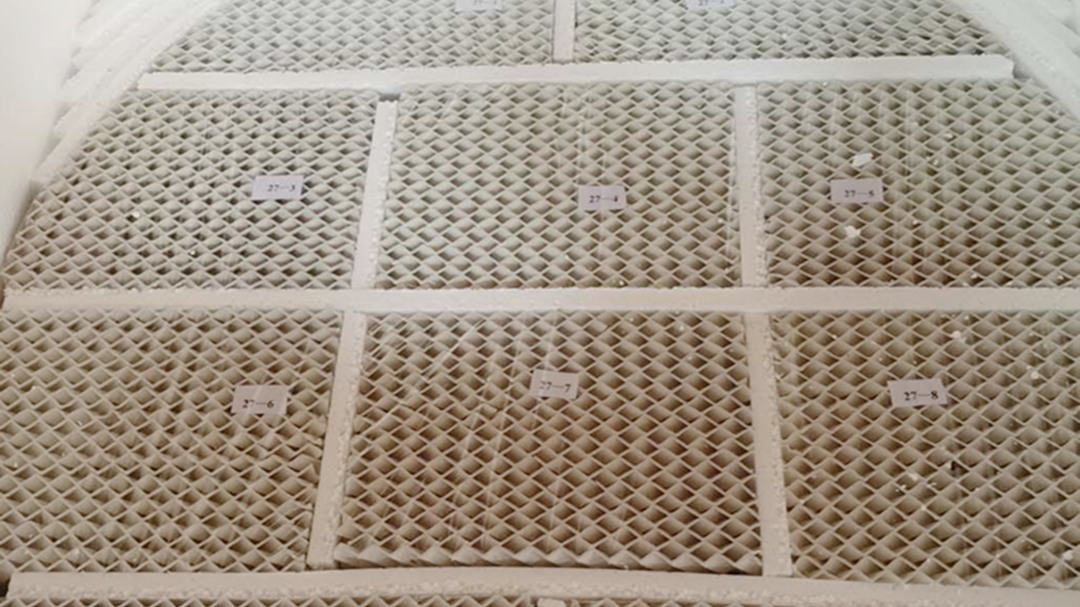
El material de relleno cerámico es extremadamente pesado (densidad ~2400 kg/m³). Una cama de 6 metros puede ejercer una presión enorme sobre la placa de soporte. Refuerce la estructura de soporte con vigas en I. y asegúrese de que el área libre sea >75% para evitar el aplastamiento.
Los bordes ondulados de los bloques cerámicos estructurados son afilados y frágiles. Al dejarlos caer, se producen microfracturas que se propagan bajo tensión. Utilice eslingas acolchadas o elevadores de vacío.Nunca dejes caer los bloques directamente uno encima del otro.
FXSINO Suministramos empaquetaduras cerámicas estructuradas de ingeniería de precisión para las plantas químicas más exigentes del mundo. Contáctenos para obtener planos técnicos y precios al por mayor.
Contacto FXSINO: [[jackieqiu9202@gmail.com]] | [[18507999558]]
© 2026 Jiangxi FXSINO Mass Transfer Technology Co., Ltd. Todos los derechos reservados.
 DIRECCIÓN
: Intersection of Jinguang Avenue and Chongqing Middle Road, Anyuan Industrial Park, Anyuan District, Pingxiang City, Jiangxi
DIRECCIÓN
: Intersection of Jinguang Avenue and Chongqing Middle Road, Anyuan Industrial Park, Anyuan District, Pingxiang City, Jiangxi Teléfono
: +86-18507999558
Teléfono
: +86-18507999558 Correo electrónico
: sales@fxsino.com
Correo electrónico
: sales@fxsino.com Whatsapp
:
+86-18507999558
Whatsapp
:
+86-18507999558 Red IPv6 compatible
Mapa del sitio
| XML | Blog
| política de privacidad
Red IPv6 compatible
Mapa del sitio
| XML | Blog
| política de privacidad